
Https Www Ncdesign Co Nz: Identifying Suspicious Profiles
Identifying Suspicious Profiles
Profile Inconsistencies and Red Flags
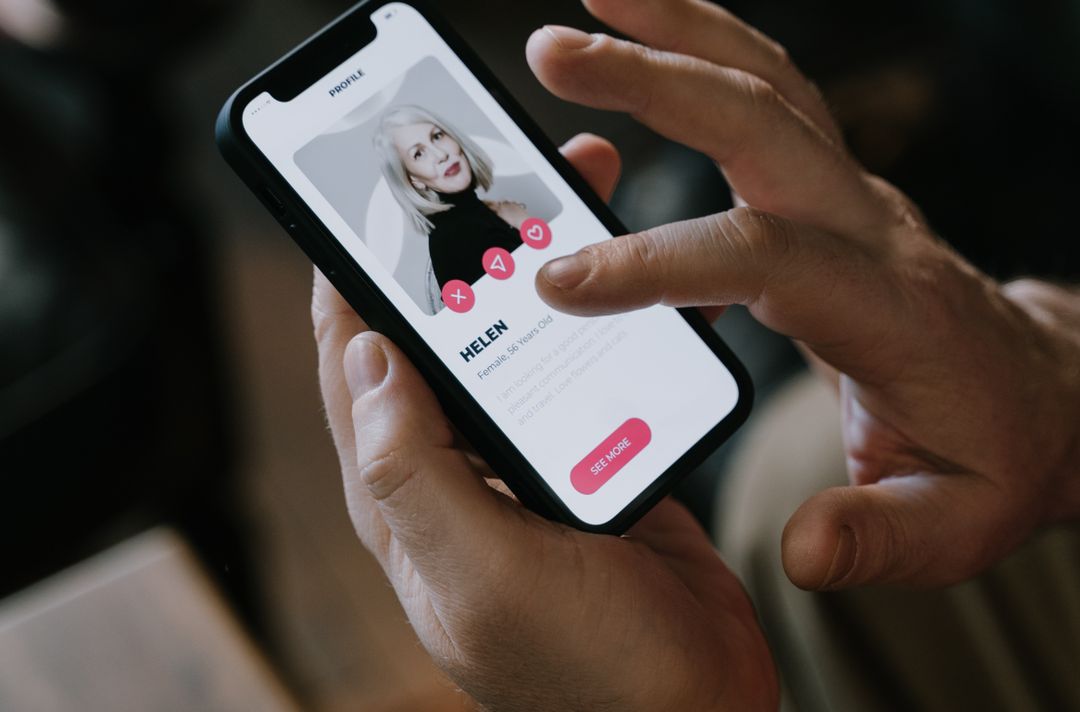
Another warning sign is when a profile seems too perfect to be true. People who appear to have model-like appearances, extremely successful careers, or unusually adventurous lives without any specific details may be trying to lure you in. Remember that authentic profiles usually contain specific details about hobbies, interests, and daily life. Connecting with https://www.ncdesign.co.nz online starts with choosing where to look. Cross-referencing information is also important; if someone claims to be from your area but their profile indicates otherwise, this could be a significant red flag worth investigating further before engaging in deeper conversation.
Behavioral Patterns in Fake Accounts
Fake accounts often exhibit certain behavioral patterns that can help you identify them. One common tactic is immediate and excessive flattery. If someone you’ve just matched with starts showering you with compliments that seem too intense or too soon, it’s a cause for caution. Scammers often use love bombing techniques to quickly build emotional attachment and lower your defenses. Additionally, be wary of profiles that try to move the conversation to another platform immediately. Genuine connections usually develop gradually within the dating app’s secure messaging system.
Another behavioral pattern to watch for is vagueness about personal details. When you ask questions about their life, work, or interests, fake profiles often provide evasive answers or change the subject. They might avoid video calls or meeting in person, always having excuses ready. This reluctance to take the relationship offline can be a major red flag. Remember that healthy relationships progress naturally, and while everyone has their own pace, consistent avoidance of real-life interaction after establishing a connection should raise concerns about the authenticity of the person you’re communicating with.
Warning Signs in Conversations
Common Scam Tactics in Chat
Once you’ve started messaging someone, several warning signs can indicate you’re dealing with a scammer. One of the most common tactics is the sudden emergence of a crisis. The person might share a story about an emergency situation where they need money urgently—perhaps for medical bills, travel expenses, or family problems. This emotional manipulation is designed to make you feel sorry for them and prompt you to send money. Remember that legitimate connections won’t ask for financial assistance, especially early in the relationship. If you encounter such requests, it’s best to cease communication immediately.
Another tactic involves sharing inconsistent or overly dramatic life stories. Scammers often create elaborate backstories filled with tragedy and hardship to gain sympathy. These stories might change slightly when retold or contain implausible details. Be particularly cautious if someone claims to work internationally, especially in a high-paying but vague position, as this provides an excuse for why they can’t meet in person or video chat. Always question inconsistencies and don’t be afraid to end conversations that feel manipulative or emotionally charged in an unnatural way.
Communication Patterns That Raise Concerns
The way someone communicates can reveal a lot about their intentions. Be wary of conversations that feel scripted or rehearsed. Scammers often use the same lines and approaches with multiple victims, so you might notice generic phrases that don’t seem tailored to your specific conversation. Additionally, pay attention to how they respond to your questions. Do they give detailed, personal answers, or do they deflect with more questions about you? Scammers often try to keep the focus on you while avoiding sharing personal information about themselves.
Protecting Yourself While Dating Online
Essential Safety Measures
When it comes to meeting in person, always prioritize safety. Choose public locations for first dates and let a friend or family member know your plans. Consider having a check-in system with someone you trust during the date. Additionally, trust your instincts—if something feels off about the person or the situation, it’s better to err on the side of caution. Remember that it’s okay to end a date early if you feel uncomfortable. Taking these precautions doesn’t mean you’re being paranoid; it means you’re being smart about protecting yourself while exploring potential connections.
Verifying Authenticity and Building Trust
Building trust in online relationships takes time and verification. One effective method is to suggest a video call early in your communication. While some people may have valid reasons for being camera-shy, consistent refusal can be a red flag. During video calls, you can observe non-verbal cues and confirm the person’s identity. Additionally, reverse image searching profile pictures can help you determine if someone is using stolen images from the internet. If you find that their pictures appear elsewhere under different names, this is a significant warning sign.
Another approach is to ask specific, detailed questions about their life and experiences. Genuine people will have specific answers to questions about their daily routines, interests, and background. You can also suggest meeting mutual friends if appropriate, as this can provide additional verification. Remember that trust should be earned gradually, not given freely. If someone pressures you to trust them quickly or gets defensive when you ask reasonable questions about their identity, these are signs that you should reconsider continuing the relationship.
Frequently asked questions
How soon should I meet someone in person after matching online?
There’s no set timeline, but most experts recommend meeting within 1-2 weeks of consistent communication. If someone continuously avoids meeting or makes excuses, this could be a red flag. Building a connection online is fine, but in-person interaction is important for verifying authenticity and chemistry.
What should I do if someone asks me for money?
Never send money to someone you’ve met online, regardless of their story. This is a major red flag indicating a potential scam. Politely decline and cease communication immediately. Report the profile to the dating platform and consider warning others who may have interacted with the same person.
Are there any signs that a profile might be fake?
Yes, several indicators include professional-looking stock photos, overly vague or generic profiles, inconsistent information, reluctance to video chat, and profiles that seem too good to be true. Always cross-reference information and be cautious with profiles that lack personal details or seem overly perfect.
How can I protect my personal information while dating online?
Use a separate email address for dating profiles, avoid sharing specific personal details like your workplace or home address, and use the app’s messaging system rather than personal contact information initially. Be cautious about what you share in conversations and adjust your privacy settings on social media to limit what potential matches can see about you.
What to compare before choosing a platform
| What to check | Why it matters |
|---|---|
| Profile verification | Filters out fake accounts before you invest time |
| Video calls | Confirm identity and real chemistry early |
| Search filters | Saves weeks of random browsing |
| Pricing transparency | No surprises when you upgrade |
| Safety and reporting tools | Faster help when something feels wrong |
